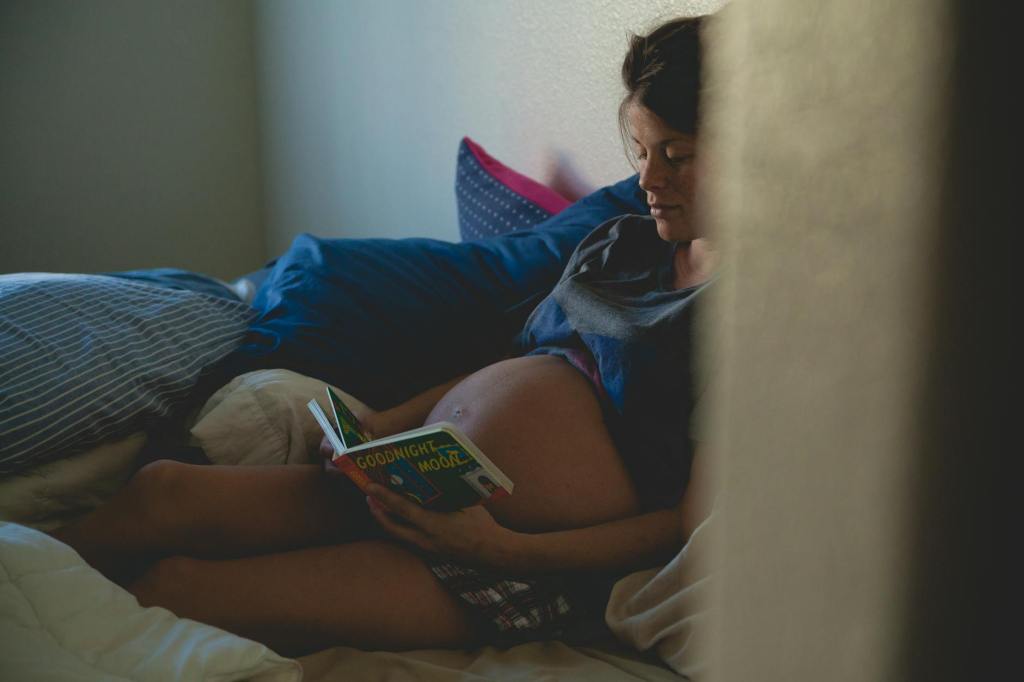
Pregnancy is accompanied by many changes. These changes span physical, mental, and emotional realms. As it is a uniquely personal experience, women experience these changes differently. Some gladly welcome the changes, as life grows within, and embrace motherhood naturally. For others, it is a process of acceptance and realignment of one’s own life.
Conversing with expectant mothers helped shed light on some of the realities of pregnancy. External factors (ex. finances, stability, overall-wellbeing, relationship status, support system, etc.) were very important as it related to women’s initial reactions. Some were ecstatic and overjoyed, while others expressed shock and mortification.
“This pregnancy started off very bad,” shared one woman. “Initially, I was shocked, and then while trying to process all the changes it would entail, I got sick. Day after day, I was in the bed for the first three months. I couldn’t eat much, and everything, including smells made me nauseated or vomit. The smell of my partner, home, and other people, was literally intolerable. And it wasn’t just smells, it was all my senses, light, and noise too. I was vomiting three-to-four times a day, weak, and upset about the whole situation. I couldn’t enjoy or connect with being pregnant. Most days were spent in the bed, in the dark, dreading the next day, which I knew would only bring more of the same.”
As individuals of differing physical, mental, psychological, and genetic make-ups, not to mention religious and/or spiritual beliefs, we all experience things differently. The societal expectation is that pregnancy is a beautiful, life-changing experience that women undergo to bring life into the world. However, as beautiful as it is for some, it can be quite traumatic for others. Some women experience physical and mental complications, and other discomforts that make part- or the whole experience debilitating.
Women experience different feelings as it relates to pregnancy, which may include sadness. Motherhood is life-changing, and guilt or stigmas should not be attached to one’s varying emotions. During this time a woman should process those feelings and emotions, and determine the best course of action for self and unborn. Secondly, she should prioritize self-care, and do things, within reason and safety, that provide relief. Some of these things include utilizing relaxation techniques and participating in creative activities, such as hydrotherapy, music/dance therapy, meditation, art, exercise, future-planning and writing. Additionally, if physical factors are contributing to negative thoughts and feelings, health care providers can be utilized to determine other alternatives.
Though some may not have a reliable support network, cultivating networks, either in-person or virtually, can be beneficial. Dealing with thoughts, feelings, and anxieties associated with pregnancy can be lonely, but it doesn’t have to be. Outside of family and friends, there are a number of pregnancy/baby-related apps that enable mothers to connect and share experiences. Communicating, as opposed to keeping thoughts and feelings bottled up, is another means of release.
Experiencing sadness in pregnancy does not mean you will be a terrible mother and does not mean you will not love your child. It simply means that you are human, experiencing and processing change, and an influx of hormones. Sadness during pregnancy is not often discussed, but it is not abnormal. However, if sadness is prolonged or accompanied by thoughts of self-harm or harm to others, seek medical attention or emergency care. Emergency care can be accessed by dialing 9-1-1 or by visiting any emergency department.
 Fifth of October